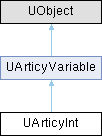
|
|
typedef int | UnderlyingType |
|
|
int & | operator+= (const int &Val) |
|
int & | operator-= (const int &Val) |
|
int & | operator*= (const int &Val) |
|
int & | operator/= (const int &Val) |
|
int | operator++ (int) |
|
int & | operator++ () |
|
int | operator-- (int) |
|
int & | operator-- () |
|
int & | operator= (const ExpressoType &NewVal) |
|
int & | operator+= (const ExpressoType &Val) |
|
int & | operator-= (const ExpressoType &Val) |
|
int & | operator*= (const ExpressoType &Val) |
|
int & | operator/= (const ExpressoType &Val) |
| int | Set (int NewValue) |
|
template<typename Type> |
| void | Init (UArticyBaseVariableSet *Set, UArticyGlobalVariables *const NewStore, const FName &Name, const typename Type::UnderlyingType &NewValue) |
| const FName & | GetGVName () const |
|
|
template<typename Type, typename ValueType> |
| ValueType & | Setter (const ValueType &NewValue) |
|
template<typename Type> |
| void | PopState (Type *Instance) |
| uint32 | GetStoreShadowLevel () const |
|
template<typename Type> |
| static uint32 | GetShadowLevel (Type *Instance) |
◆ Set()
| int UArticyInt::Set |
( |
int | NewValue | ) |
|
|
inline |
Set the value of this variable. This internally calls the setter, so it guarantees that the correct shadow state is used (if any).
◆ Value
| int UArticyInt::Value = -1 |
|
protected |
The current value of this variable (i.e. the value of a shadow state, if any is active).
The documentation for this class was generated from the following file: